
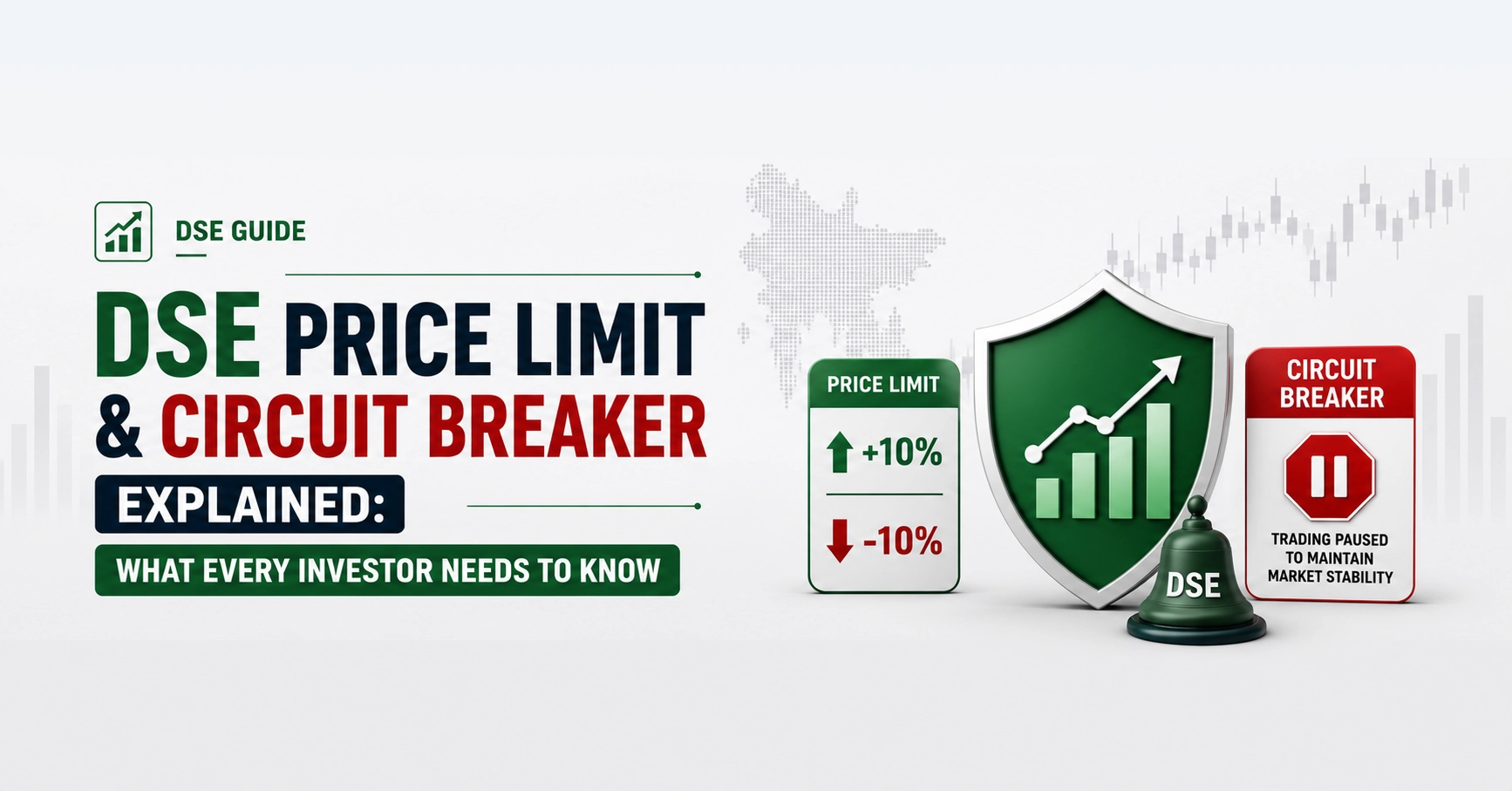
DSE Price Limit and Circuit Breaker Explained: What Every Investor Needs to Know
শেয়ার বাজারে লাভ করার ৭টি উপায় - নতুনদের জন্য
অনেকেই শেয়ার বাজারে আসেন লাভের আশায়, কিন্তু প্রথম কয়েক মাসেই হতাশ হয়ে চলে যান। পরিসংখ্যান বলে, বাংলাদেশের ৭০ শতাংশ নতুন বিনিয়োগকারী প্রথম বছরে টাকা হারান। কিন্তু যারা সঠিক পথ জানেন, তারা ধৈর্য ধরে নিয়মিত লাভ করেন। আজ আমরা সেই সাতটি উপায় জানবো যেগুলো অনুসরণ করলে আপনিও পারবেন শেয়ার বাজার থেকে টেকসই আয় করতে।
নতুন বিনিয়োগকারীদের জন্য একটি কথা: শেয়ার বাজার কোনো জুয়ার আসর নয়। এটা একটা ব্যবসা। যেমন অন্য যেকোনো ব্যবসায় লাভ হতে সময় লাগে, তেমনি এখানেও লাগে। ধৈর্য, শৃঙ্খলা এবং সঠিক তথ্য - এই তিনটি জিনিস থাকলে শেয়ার বাজার আপনার জন্য সোনার খনি হতে পারে।
সারসংক্ষেপ: বাংলাদেশের শেয়ার বাজারে বিনিয়োগের সম্পূর্ণ গাইড। DSEX সূচক, স্টক বিশ্লেষণ, এবং AI পাওয়ার্ড টুলস ব্যবহার করে স্মার্ট বিনিয়োগ।
সারসংক্ষেপ: বাংলাদেশের শেয়ার বাজারে লাভ করার ৭টি উপায়: (১) ডিভিডেন্ড আয়, (২) মূলধন লাভ, (৩) আইপিও বিনিয়োগ, (৪) দীর্ঘমেয়াদি ধারণ, (৫) সেক্টর রোটেশন, (৬) AI সিগন্যাল ব্যবহার, এবং (৭) স্টপ-লস ব্যবস্থাপনা। BRACBANK এবং ISLAMIABANK এর মতো ভালো কোম্পানিতে ১০,০০০ টাকা দিয়েও শুরু করা যায়। দীর্ঘমেয়াদি বিনিয়োগে ৩-১০ বছর ধরে ধৈর্য ধরলে সবচেয়ে ভালো ফল পাওয়া যায়।
শেয়ার বাজারে লাভ মানে কী?
শেয়ার বাজারে লাভ দুইভাবে হয়। প্রথমত, কোম্পানির মুনাফার অংশ হিসেবে বছরে এক বা দুইবার লভ্যাংশ বা ডিভিডেন্ড পাওয়া যায়। দ্বিতীয়ত, শেয়ার কেনার দামের চেয়ে বেশি দামে বিক্রি করলে যে অতিরিক্ত টাকা পাওয়া যায়, সেটাই মূলধন লাভ বা ক্যাপিটাল গেইন। যেমন, BRACBANK ৫০০ টাকায় কিনে ৬০০ টাকায় বিক্রি করলে ১০০ টাকা মূলধন লাভ। আবার যদি কোম্পানি বছরে ১০ শতাংশ ডিভিডেন্ড দেয়, তাহলে প্রতি ১০০ শেয়ারে ১০০০ টাকা লভ্যাংশ পাবেন। দুটোই সম্ভব একসাথে।
১. ডিভিডেন্ড বা লভ্যাংশ থেকে আয়
নিয়মিত ডিভিডেন্ড দেয় এমন কোম্পানিতে বিনিয়োগ সবচেয়ে নিরাপদ উপায়। ব্যাংক ও বীমা কোম্পানিগুলো সাধারণত প্রতি বছর নগদ লভ্যাংশ দেয়। ISLAMIABANK এবং PRIMEBANK এর মতো ব্যাংকগুলো ইতিহাস ধরে ধারাবাহিকভাবে ডিভিডেন্ড দিয়ে আসছে। এ ধরনের শেয়ার কিনলে বছরে দুইবার লভ্যাংশ আসবেই, যদিও শেয়ারের দাম কমতেও পারে।
ডিভিডেন্ড ইনভেস্টিংয়ের সুবিধা হলো, আপনাকে প্রতিদিন দাম ওঠানামা দেখতে হয় না। বছরে দুইবার লভ্যাংশ জমা হলেই আপনার মুনাফা। তবে অবশ্যই কোম্পানির লাভের ইতিহাস, ডিভিডেন্ড পেআউট রেশিও এবং ব্যবসার স্থিতিশীলতা দেখে শেয়ার কিনতে হবে।
২. কম দামে কিনে বেশি দামে বিক্রি
এটাই সবচেয়ে জনপ্রিয় পদ্ধতি। কিন্তু এখানেই সবচেয়ে বড় ঝুঁকি। যদি ১০০ টাকায় কিনে ১২০ টাকায় বিক্রি করতে পারেন, তাহলে ২০ শতাংশ মুনাফা। কিন্তু যদি ১০০ টাকায় কিনে ৮০ টাকায় নামে, তাহলে ২০ শতাংশ লোকসান।
এই কৌশলে সফল হতে হলে শেয়ারের আসল মূল্য বোঝা জরুরি। EBL বা ABBANK এর মতো কোম্পানিগুলোর প্রতি শেয়ার লাভ (EPS), মূলধন এবং ব্যবসার ভবিষ্যৎ দেখে কেনা উচিত। যখন বাজার ভয়াবহভাবে পড়ে যায়, তখন ভালো কোম্পানির শেয়ার কম দামে পাওয়া যায়। পরে বাজার স্বাভাবিক হলে দাম বাড়ে।
৩. আইপিওতে বিনিয়োগ
প্রাথমিক গণপ্রস্তাবনা বা আইপিও বাংলাদেশে অনেকটা নিশ্চিত লাভের ব্যাপার। নতুন কোম্পানি শেয়ার বাজারে আসলে প্রথমবার যারা শেয়ার কিনতে পারেন, তারা সাধারণত লাভবান হন। গত কয়েক বছরে ডিএসইতে আসা আইপিওগুলোর বেশিরভাগই লটারিতে পাওয়া গেছে এবং লিস্টিংয়ের প্রথম দিনেই দাম বেড়েছে।
তবে সব আইপিও ভালো নয়। প্রসপেক্টাস পড়ে কোম্পানির ব্যবসা, মুনাফা এবং ব্যবস্থাপনা দেখে আবেদন করতে হবে। SQUARETEXT বা NURANI এর মতো কোম্পানিগুলোর আইপিও অনেক বিনিয়োগকারীকে ভালো মুনাফা এনে দিয়েছে। আইপিও তে বিনিয়োগের বড় সুবিধা হলো, শুরুতেই দাম কমে যাওয়ার ঝুঁকি কম থাকে।
৪. দীর্ঘমেয়াদি ধারণ
যারা সত্যিকার অর্থে শেয়ার বাজারে ধনী হয়েছেন, তাদের সবাই দীর্ঘমেয়াদি বিনিয়োগকারী। বাংলাদেশের শেয়ার বাজারে প্রতিদিন দাম ওঠানামা করে, কিন্তু পাঁচ-দশ বছরের হিসাবে ভালো কোম্পানির শেয়ারের দাম বাড়তেই থাকে। GRAMEENPHONE বা ACI এর মতো কোম্পানিগুলোর দীর্ঘমেয়াদি চার্ট দেখলেই বোঝা যায়।
দীর্ঘমেয়াদি বিনিয়োগের সুবিধা হলো, আপনাকে প্রতিদিন বাজার দেখতে হয় না। বছরে একবার রিপোর্ট দেখলেই চলে। আবার দীর্ঘমেয়াদে ডিভিডেন্ডের পরিমাণও বাড়তে থাকে। একটা ভালো কোম্পানির শেয়ার দশ বছর ধরে রাখলে, শেষে আপনার কেনা দামের চেয়ে অনেকগুণ বেশি মূল্য হয়ে যায়।
৫. সেক্টর রোটেশন
শেয়ার বাজারে একটা সময় ব্যাংক শেয়ার চলে, আরেকটা সময় ওষুধ কোম্পানি। এটাই সেক্টর রোটেশন। বুঝতে হবে কোন সেক্টরে এখন টাকা ঢুকছে। যখন ব্যাংকিং সেক্টর ভালো যায়, তখন BRACBANK, MTB ইত্যাদি কেনা যায়। যখন সিমেন্ট সেক্টর ঘুরে দাঁড়ায়, তখন HEIDELBCEM বা LAFARGEHOLCIM এর দিকে নজর দেওয়া যায়।
এই কৌশলে সফল হতে হলে নিয়মিত অর্থনৈতিক খবর পড়তে হবে। মার্কেট সাইকেল বোঝা জরুরি। কোন সেক্টরে এখন বিনিয়োগ বাড়ছে, কোথায় নীতি পরিবর্তন হচ্ছে, সব খবর রাখতে হবে। তবে বেশি বার সেক্টর বদল করা ঠিক নয়। বছরে একবার বা দুইবার বদল করলেই চলে।
৬. স্ক্রিনার এবং AI সিগন্যাল ব্যবহার
আগে শেয়ার বাছাই করতে হাতে কাগজে হিসাব করতে হতো। এখন অনলাইন টুল দিয়ে মিনিটেই শত শত শেয়ারের মধ্যে ভালোগুলো বের করা যায়। stock-ai.live এর মতো প্ল্যাটফর্মে আপনি P/E রেশিও, EPS গ্রোথ, ডিভিডেন্ড ইল্ড দিয়ে শেয়ার ফিল্টার করতে পারেন।
AI সিগন্যাল আরো এক ধাপ এগিয়ে। মেশিন লার্নিং মডেল বিশাল পরিমাণ ডেটা বিশ্লেষণ করে দেখায় কোন শেয়ারে এখন কেনার সুযোগ আছে। stock-ai.live এর AI প্রেডিকশন টুল ব্যবহার করে আপনি জানতে পারবেন কোন শেয়ারে এখন momentum তৈরি হচ্ছে। তবে AI সিগন্যাল শেষ কথা নয়। নিজের বিচারবুদ্ধিও কাজে লাগাতে হবে।
৭. স্টপ লস এবং ঝুঁকি ব্যবস্থাপনা
লাভ করার চেয়ে গুরুত্বপূর্ণ হলো লোকসান কমানো। অনেকেই লোকসানে থাকা শেয়ার ধরে রাখেন আশায় যে একদিন ঘুরবে। কিন্তু বাস্তবে কিছু শেয়ার কখনোই আগের দামে ফেরে না। তাই প্রতিটি কেনার আগে সিদ্ধান্ত নিতে হবে, কত দামে নামলে বিক্রি করবেন।
স্টপ লস মানে হলো, একটা নির্দিষ্ট দামে পৌঁছালে অটোমেটিক বিক্রি করা। ধরুন আপনি ২০০ টাকায় কিনলেন। স্টপ লস রাখলেন ১৮০ টাকায়। দাম ১৮০ টাকায় নামলেই বিক্রি হয়ে যাবে। এতে বড় লোকসান থেকে বাঁচা যায়। আর কখনোই একটা কোম্পানিতে সব টাকা বিনিয়োগ করবেন না। কমপক্ষে পাঁচটা ভিন্ন শেয়ারে বিনিয়োগ করুন। একটায় লোকসান হলেও আরেকটায় লাভ হতে পারে।
নতুন বিনিয়োগকারীদের সাধারণ ভুল
প্রথমত, অনেকেই টিপস শুনে শেয়ার কেনেন। কেউ বললে কিনে ফেলেন, নিজে কোম্পানির রিপোর্ট দেখেন না। দ্বিতীয়ত, লোকসানে থাকা শেয়ার আরো কিনে গড় দাম কমানোর চেষ্টা করেন। এটা বিপজ্জনক। তৃতীয়ত, প্রতিদিন ট্রেড করার চেষ্টা করেন। প্রতিদিন ট্রেড করলে ব্রোকারেজ খরচ বাড়ে এবং ভুল সিদ্ধান্তের সম্ভাবনাও বাড়ে।
আরেকটা বড় ভুল হলো, ঋণ নিয়ে বা জমানো টাকা বিনিয়োগ করা। শেয়ার বাজারে টাকা হারানোর ঝুঁকি আছে। তাই যে টাকা হারালেও আপনার জীবনযাত্রায় কোনো প্রভাব পড়বে না, শুধু সেই টাকা বিনিয়োগ করুন। আর কোনো একটা শেয়ারে সব টাকা ঢালবেন না। বৈচিত্র্য রাখুন।
ছোট মূলধন দিয়ে শুরু করুন
শুরুতে ১০ হাজার বা ২০ হাজার টাকা দিয়ে শুরু করুন। ধীরে ধীরে বাজার বোঝা শিখুন। নিয়মিত কোম্পানির বার্ষিক রিপোর্ট পড়ুন। ডিএসই এবং stock-ai.live এর বিনামূল্যের টুলস ব্যবহার করুন। ছোট মূলধনে ভুল করলেও শিক্ষা নিয়ে পরেরবার ভালো সিদ্ধান্ত নিতে পারবেন।
একটা ডেমো অ্যাকাউন্ট বা কাগজে কলমে প্র্যাকটিস করতে পারেন। মনে করুন আপনি কিছু শেয়ার কিনলেন। কয়েক সপ্তাহ পর দেখুন আপনার সিদ্ধান্ত সঠিক ছিল কিনা। এভাবে অনুশীলন করলে আসল টাকা বিনিয়োগ করার আগেই অনেক শিখে যাবেন।
মূল কথা
শেয়ার বাজার কোনো জুয়ার আসর নয়। এটা একটা ব্যবসা। যেমন অন্য যেকোনো ব্যবসায় লাভ হতে সময় লাগে, তেমনি এখানেও লাগে। ধৈর্য, শৃঙ্খলা এবং সঠিক তথ্য - এই তিনটি জিনিস থাকলে শেয়ার বাজার আপনার জন্য সোনার খনি হতে পারে। আর সঠিক তথ্যের জন্য নিয়মিত stock-ai.live ভিজিট করুন।
মূল শিক্ষা
- ডিভিডেন্ড আয় ও মূলধন লাভ - দুইভাবেই শেয়ার বাজার থেকে আয় করা যায়, কিন্তু দীর্ঘমেয়াদি বিনিয়োগ সবচেয়ে নিরাপদ।
- আইপিও তে বিনিয়োগ নতুনদের জন্য আদর্শ শুরুর পয়েন্ট, কিন্তু প্রসপেক্টাস পড়ে সিদ্ধান্ত নিতে হবে।
- স্টপ লস এবং বিনিয়োগ বৈচিত্র্য লোকসান কমাতে সাহায্য করে; কখনোই সব টাকা এক শেয়ারে ঢালবেন না।
- ছোট মূলধন দিয়ে শেখা শুরু করুন, ধীরে ধীরে অভিজ্ঞতা বাড়ান, এবং সবসময় নিজের বিশ্লেষণে বিশ্বাস রাখুন।
- stock-ai.live এর স্ক্রিনার এবং এআই সিগন্যাল ব্যবহার করে শেয়ার বাছাই করুন, কিন্তু শেষ সিদ্ধান্ত নিজের বিচারবুদ্ধিতে নিন।